
Bonus Buy Slots in the UK: Features Explained
 Available in GB
See how direct bonus entry differs from a regular spin, and how volatility and demo play can shape a bonus-buy session.

Table of Contents
- What a Bonus Buy Changes Inside a Slot
- Testing Bonus Buy Features in Demo Mode
- What to Check Before Using a Bonus Buy at a Casino
- Finding Slots That Offer a Bonus Buy
- How Volatility Shapes Bonus Buy Sessions
- Using Free Play to Explore Bonus Buy Slots
- Playing Bonus Buy Slots Online in Great Britain
- Reading the Features of Bonus Buy Slot Games
- Why a Bonus Buy Does Not Remove the House Edge
- Checking Which Games Actually Offer a Buyable Bonus
What a Bonus Buy Changes Inside a Slot
A bonus-buy feature changes how you enter a slot’s bonus round. In ordinary play, you make a spin and wait for the game’s specified trigger to appear. If the trigger does not occur, that spin ends in the base game. With a bonus buy, you can pay to enter the bonus round directly, where the feature is available. You are choosing a different route into that round, not making an ordinary spin and hoping it triggers.
The distinction matters because the two actions have different purposes. A regular spin runs the base game: the reels stop, the game evaluates the result, and any bonus entry depends on the game’s trigger conditions. A buy instead starts the bonus feature without requiring that trigger to land on the reels first. The game may still show the reels as part of its presentation, but the purchase is not simply another base-game spin.
A five-reel slot helps make the stake structure easier to picture. A bet can apply across all five reels, so the amount associated with one spin is not necessarily a charge for just one reel. The slot’s interface and rules show how a regular stake is configured. A bonus buy is a separate choice offered by the game, and its cost is shown before you confirm it. Read that amount as the price of entering the feature, rather than assuming it is the same as the stake for an ordinary spin.
When you’re looking for bonus buy slots in the UK, payout speed is one practical detail to consider alongside the games and terms. Use these entries as a concise reference for the payout information available.
Payout speed: 1-3 business days You can expect payouts to take 1–3 business days.
Payout speed: 1-3 business days You can expect payouts to take 1–3 business days.
Payout speed: 1-3 business days You can expect payouts to take 1–3 business days.
Payout speed: 1-3 business days You can expect payouts to take 1–3 business days.
Payout speed: 1-3 business days You can expect payouts to take 1–3 business days.
Payout speed: 1-3 business days You can expect payouts to take 1–3 business days.
Payout speed: 1-3 business days You can expect payouts to take 1–3 business days.
Payout speed: 1-3 business days You can expect payouts to take 1–3 business days.
Payout speed: 1-3 business days You can expect payouts to take 1–3 business days.
Payout speed: 1-3 business days You can expect payouts to take 1–3 business days.
Once the bonus begins, its rules determine what happens next. The round might use different symbols, a different reel layout, or a special way of calculating results. Those details vary between games, so the label “bonus buy” does not tell you what the round contains or how its outcomes are worked out. It only describes the method of entry: paying to skip the usual wait for the feature’s trigger.
Buying entry does not mean buying a particular result. The feature can produce different outcomes according to the game’s rules; the purchase starts the round, but does not specify what symbols, combinations or prizes will appear. Treating the buy as a guaranteed win would confuse access to a game state with control over its outcome.
The interface should make the choice clear. If you select the buy option, check the displayed cost and the game’s description before confirming. If you do not select it, you can continue with ordinary spins, subject to the slot’s normal rules. A feature that is available in one game should not be assumed to work the same way in another: names, prices and round mechanics are set by each game.
In practical terms, the bonus buy changes the route, not the underlying distinction between a stake and a result. An ordinary spin uses the base game’s trigger process; a purchase takes you directly into the bonus round. Knowing which action you are selecting helps you understand what the displayed charge covers and what remains uncertain once play begins.

Testing Bonus Buy Features in Demo Mode
A demo lets you examine a slot’s bonus-buy flow without staking real money. Its balance is simulated: any credits shown on screen are fake, and wins in demo play are not paid out. Treat the session as a way to learn how the game responds to your choices, not as a route to cash or a prediction of what a real-money session will return.
If the game provides a demo and makes its buy feature available there, start by looking at the normal game screen. Note where the feature is displayed and whether it is available before a spin or only after another action. You are checking how this particular game presents the option, rather than assuming that every bonus-buy game exposes the same controls or that every demo includes them.
When you select the buy feature, read the on-screen prompt before confirming. The prompt may explain what will happen next and how the demo balance will be affected. Because the balance is fictional, this step does not risk your funds; it still matters for understanding the interface. If you confirm, watch the transition into the bonus round rather than clicking through it quickly. The animation, counter, or instruction panel can show how the game marks the start of the feature.
- Read on-screen prompts before confirming
- Watch the transition into the bonus round
- Observe available actions and sequence
- Click through animations quickly
- Treat simulated wins as cash
- Use demo results to predict real returns
Follow the round from its opening state to its end. Observe what actions are available, whether the game plays automatically or waits for an input, and how it displays any changes to the bonus state. If the round contains several stages, track how the screen moves between them. The aim is to understand the sequence: what begins the feature, what you can control, what the game resolves itself, and what returns you to the base game.
A useful test is to compare the same slot’s ordinary play with its bonus-buy route. In ordinary play, the bonus must arrive through the game’s usual trigger. In demo mode, buying the bonus—if the demo permits it—lets you inspect the feature directly. Compare the screens and controls, not the apparent value of a single outcome. The two routes reach a bonus by different means, but the demo’s displayed result is still only simulated.
Keep track of questions as you play. Does the game ask for confirmation? Is the purchase control easy to distinguish from the spin control? Does the feature explain its rules before the round begins? Can you see how a stage ends and what follows? These observations help you understand the design without needing to infer it from a brief animation or a result screen.
Some bonus buy video slots may offer a demo in which the purchase control is disabled, absent, or replaced by another way to enter the feature. That limits what you can test: you can inspect the available game screens, but you cannot assume you have experienced the buy flow. A missing control in a demo does not by itself establish how the feature works in another version. Avoid treating an inaccessible demo option as proof that the bonus is available or unavailable in every setting.

A demo also cannot show what a real-money session would pay. Its credits have no cash value, and a displayed win cannot be withdrawn or converted into a payout. The game may let you repeat the round, but repeating simulated outcomes does not create a reliable forecast. Use the session to learn the controls and the order of events; do not use it to estimate future returns or to decide that a real-money purchase will produce the same result.
For a clear test, take the process one step at a time: open the game’s demo, locate the bonus controls, read any prompt, and follow the round through its ending. If the demo does not expose the buy feature, record that limitation and stop short of guessing. This approach makes bonus-buy demo slots useful for understanding a game’s interface and round flow while keeping the distinction between simulated play and real-money play explicit.
What to Check Before Using a Bonus Buy at a Casino
Before you fund an account to access a bonus-buy slot, check the operator as well as the game. The casino controls account access, deposits and the safeguards available to you; a feature shown in a slot does not establish that the site offering it is properly authorised for Great Britain.
Licensing
Verify the operator’s licence number against the UKGC public register before depositing funds to ensure the site is properly authorised for Great Britain.
The UK Gambling Commission (UKGC) is the sole regulator of commercial gambling in Great Britain. Its remit includes remote gambling offered to consumers there, even when the operator’s key equipment is located elsewhere. It issues operating licences to businesses and personal licences to individuals working in regulated roles. For you as a customer, the relevant check is whether the business operating the casino holds the appropriate current operating licence.
Find the operator’s licence number on its site, then verify it against the UKGC’s public register before depositing. Check that the registered business and the casino brand correspond; a logo or a statement that a site is “regulated” is not a substitute for confirming the licence record. If the information does not match, or you cannot identify the business behind the site, do not treat the casino as verified. A UKGC licence is a regulatory requirement for operators serving the British market, not a guarantee that you will win or that every feature will suit you.
Next, look at the account controls before you add funds. Remote operators must prompt new customers to set a financial limit before their first deposit and provide accessible account-level limit controls. Set a limit you can afford to lose, and make sure you understand which activity it covers. A bonus buy can consume a substantial part of a session’s budget in a single decision, so it is useful to have a boundary in place before you are making decisions during play. Check whether the account lets you review or adjust limits, and where those controls sit; a control that is difficult to find is harder to use when you need it.

Age verification is another part of account access. Operators must verify a customer’s age before allowing deposits into a gambling account. Complete the operator’s required checks through its stated process, and do not try to fund an account while verification is unresolved. This is separate from checking whether a particular slot has a buy option: the operator must establish that you are eligible to deposit before real-money gambling begins.
Review the payment methods too. UK-licensed casinos cannot accept credit cards for gambling, including credit-card funding routed through a money service business. They also cannot accept wallet payments when the wallet allows credit-card funds to be used for gambling. If a payment route appears to bypass those restrictions, do not assume it is acceptable simply because it is displayed at checkout. Use a permitted method and check the payment details before confirming a deposit.
Finally, identify the protections available through the account. UKGC-licensed casinos must provide responsible-gambling tools, including self-exclusion. They must also offer an internal complaints process and access to an approved Alternative Dispute Resolution service. Find these options before you need them, and note how to reach the operator’s support and complaints pages. These are practical features of a regulated account, not reasons to deposit more or to continue playing.
Taken together, these checks establish whether the operator is authorised and whether you can set boundaries and access protections before spending. They do not assess the slot’s design or predict the outcome of a bonus round. Verify the business, establish your account limits, and understand the available safeguards first; only then decide whether to use the casino for real-money play.
Operator Verification
- Verify the UKGC licence number on the public register
- Set an affordable financial limit
- Complete age verification checks
- Confirm payment method is not a credit card
- Locate responsible gambling and self-exclusion tools
Finding Slots That Offer a Bonus Buy
A slot’s theme, provider or title does not tell you whether it has a bonus-buy option. Look for evidence in the game itself: an on-screen control that offers entry to a bonus round, or game rules that describe buying that feature. Without one of these, do not assume the slot lets you skip the normal trigger.
Start with the game’s information panel or rules. Search within the displayed text for wording such as “Bonus Buy”, “Buy Feature” or a description of entering a bonus round directly. The label varies between games, so check what the option does rather than relying on one exact phrase. A reference to a bonus round alone is not enough: many slots award one only when its normal symbols or conditions appear.
Then inspect the playable screen. A dedicated control may be visible alongside the spin button or elsewhere in the interface. Select or open its information only far enough to confirm that it leads to a purchasable bonus, not simply to the rules or a bonus-related setting. If the control is unclear, return to the game’s help panel and compare its description with what the screen offers.
The distinction matters because a game can have a bonus round without allowing you to buy entry to it. In a standard slot, you spin and wait for the game’s ordinary trigger. In a slot with a buyable feature, the game provides a separate route into the bonus. The feature’s presence should therefore be stated or displayed explicitly; a dramatic bonus animation, a bonus symbol, or a prominent feature name does not prove that direct entry is available.

When checking slots with bonus buy, treat the game’s own wording as the deciding evidence. A catalogue label or a short description can help you find a candidate, but it may be incomplete or use broad language. Open the game and verify that its rules and interface agree. If the rules describe a purchase but no corresponding option appears, do not infer that it is available in that version.
Also distinguish a buyable bonus from other controls. A gamble feature, a choice between bonus outcomes, or a way to adjust a round is not necessarily a way to buy entry. Read the control’s explanation and check whether it starts the bonus immediately or only changes what happens after the usual trigger.
A useful check is to confirm three things: the rules identify direct entry as an option, the game screen provides a matching control, and the control’s description names the bonus it starts. If any part is missing or ambiguous, treat the feature as unconfirmed rather than assuming the slot supports it. This method works whether you are comparing games described as bonus-buy slots or checking a title you have already found.
How Volatility Shapes Bonus Buy Sessions
Volatility describes the pattern of a slot’s returns, not whether a particular spin will win. In a low-volatility game, returns tend to be spread across many smaller wins. A high-volatility game tends to pay less often, with larger wins when they occur. This difference matters when you enter a bonus round through a buy feature: the feature changes how you reach that round, but volatility helps describe the kind of result pattern the game tends to produce.
Returns tend to be spread across many smaller wins, making the session feel more even.
Returns are less frequent, but wins tend to be larger when they occur.
Across most low-volatility titles, winning combinations typically appear every three to six spins on average. That is a broad pattern across play, not a schedule. It does not mean a win is due after a particular number of non-winning spins, nor that every run will match the average. A sequence of spins can still contain gaps or clusters of wins.
The distinction is about frequency and size together. Smaller wins appearing more often can make a low-volatility session feel more even. In a high-volatility game, longer stretches without a payout are more consistent with the less-frequent pattern; when a win arrives, it may be larger. Neither pattern tells you what the next spin or bonus round will pay.
A bonus-buy session can make these differences more noticeable because you enter the feature directly rather than waiting for it to occur during ordinary play. The bought round is still part of the slot’s payout pattern. A low-volatility label does not mean the feature must pay, and a high-volatility label does not promise a large result. These descriptions refer to tendencies across play, not guaranteed outcomes for an individual purchase.
When comparing two games, consider what kind of variation you are prepared to encounter rather than treating volatility as a quality score. If you prefer returns distributed among more frequent, smaller wins, the low-volatility pattern may be easier to follow. If you are considering a high-volatility game, account for the possibility of less frequent returns and larger swings. The label cannot tell you the size or timing of a particular result.

Keep the session scale in mind, too. A short run may look unlike the game’s general pattern simply because a small sample can contain an unusually quiet stretch or a cluster of wins. The average frequency associated with low volatility is not a promise for each small block of spins. It is a way to describe how returns tend to be distributed across play.
So, when considering bonus-buy slots in the UK, use volatility to anticipate the broad rhythm of returns, not to forecast a payout. More frequent smaller wins and less frequent larger wins are different patterns, not different guarantees. A bonus feature gives you a direct route into its round; it does not make the round’s outcome predictable.
Using Free Play to Explore Bonus Buy Slots
Free play lets you handle a slot’s controls and inspect its bonus-buy flow without placing real-money stakes. The balance shown in this mode is fake, and any wins remain part of the simulation: no payouts are awarded. That makes it useful for learning how the game presents its features, but not for measuring what a real-money session will return.
Start by locating the ordinary spin control and the bonus-buy option, if the game provides one. Check how each is labelled and what changes on screen when you select the buyable feature. The game may display a confirmation step before starting the bonus round. Reading that screen helps you understand which action you are about to take and how the slot signals entry into the feature.
Using Free Play
Find the ordinary spin button and the bonus-buy option to see how they are labelled.
Select the buyable feature and read the confirmation screen to understand the action.
Observe how objectives are explained and how bonus mechanics are applied from start to finish.
Once the round begins, follow its sequence rather than focusing only on the result. Notice how the game explains its objectives, displays any accumulated wins and applies the bonus mechanics. You can also check whether the controls remain available during the round or whether the game advances automatically through parts of it. These details help you interpret the interface if you later encounter the same game with real-money stakes.
Free play is also a practical way to check whether the controls behave as you expect. You can see how to return to the base game, open the game information panel and distinguish a standard spin from a bonus-buy action. If the labels or animations are unclear, pausing to inspect the interface is easier when no real stake is involved.
The limits of the exercise matter. A simulated result does not establish how often a bonus will pay, how much it would return in real play or whether the next round will resemble the one you just saw. The game is not providing a forecast: a sequence of simulated wins or losses is only what happened in that session. Nor does a fake balance show how a real-money stake would affect your funds.
Free play cannot demonstrate the financial consequences of buying a feature with real money. It can show the steps and on-screen behaviour, but not reproduce the personal impact of losing a stake or receiving a real payout. Treat the mode as an interface guide, not evidence that a bonus buy is profitable or suitable for you.

For anyone looking to play bonus-buy slots free in the UK, the useful question is therefore narrow: can you understand the game’s controls and follow the bonus round from entry to finish? If so, free play has served its purpose. It has let you explore the slot without risking money, while keeping clear that simulated play is not real-money gambling and produces no cash winnings.
Playing Bonus Buy Slots Online in Great Britain
A bonus buy does not bypass the rules that govern online slot play. Buying direct access to a feature changes how you enter that part of the game; it does not turn the slot into a separate type of activity with different play conditions. In particular, the feature’s price is part of the stake for the game cycle, so it must fit within the applicable stake limit.
A specialist gambling review describes the Great Britain limits as £5 per game cycle for customers aged 25 and over, and £2 for customers aged 18 to 24. These limits are age-based and apply to online slots, including a cycle in which you choose to buy a bonus. They are not a guide to the feature’s value or a recommended amount to spend. Check how the game displays the total stake before confirming a purchase: the relevant figure is the amount staked in that cycle, not simply the ordinary spin amount shown elsewhere on screen.
Autoplay is banned for online slots in Britain. You cannot set a slot to run repeated spins automatically; each game cycle must be started manually. This matters when a bonus buy leads into a sequence of spins, since those rounds do not remove the requirement for player-controlled play.
UK Slot Limits
Game cycles are limited to £5 for players 25+ and £2 for those aged 18–24, and a minimum interval of 2.5 seconds must pass between cycles.
There is also a minimum interval between cycles. At least 2.5 seconds must pass from the start of one game cycle before another can begin. A game may therefore pause before allowing the next spin, even if you are ready to continue. That timing condition applies to online slot play, not just to games without a buyable feature.
These conditions do not mean that bonus buy slots are banned in the UK. They describe how online slots must operate and how much can be staked in a cycle. The practical test is whether the game’s purchase and play flow stays within those conditions: the total stake must respect the age-related limit, spins cannot run on autoplay, and the next cycle cannot start before the required interval has elapsed.
Free online play is different from real-money play. A free mode can let you see controls and the feature flow, but its money is fake and it awards no payouts. It does not show how a real-money stake is handled under the limits above. When you move from free play to a real-money slot, treat the displayed stake and the confirmation for each cycle as the points to check.
Reading the Features of Bonus Buy Slot Games
A slot’s information screen is a useful place to examine its structure before focusing on the bonus round. Look for the reel layout, the number of paylines, how jackpots are described and what the game says about bonus-round wins. These details help you understand what the game is built to do; they do not, by themselves, predict the result of a particular spin.
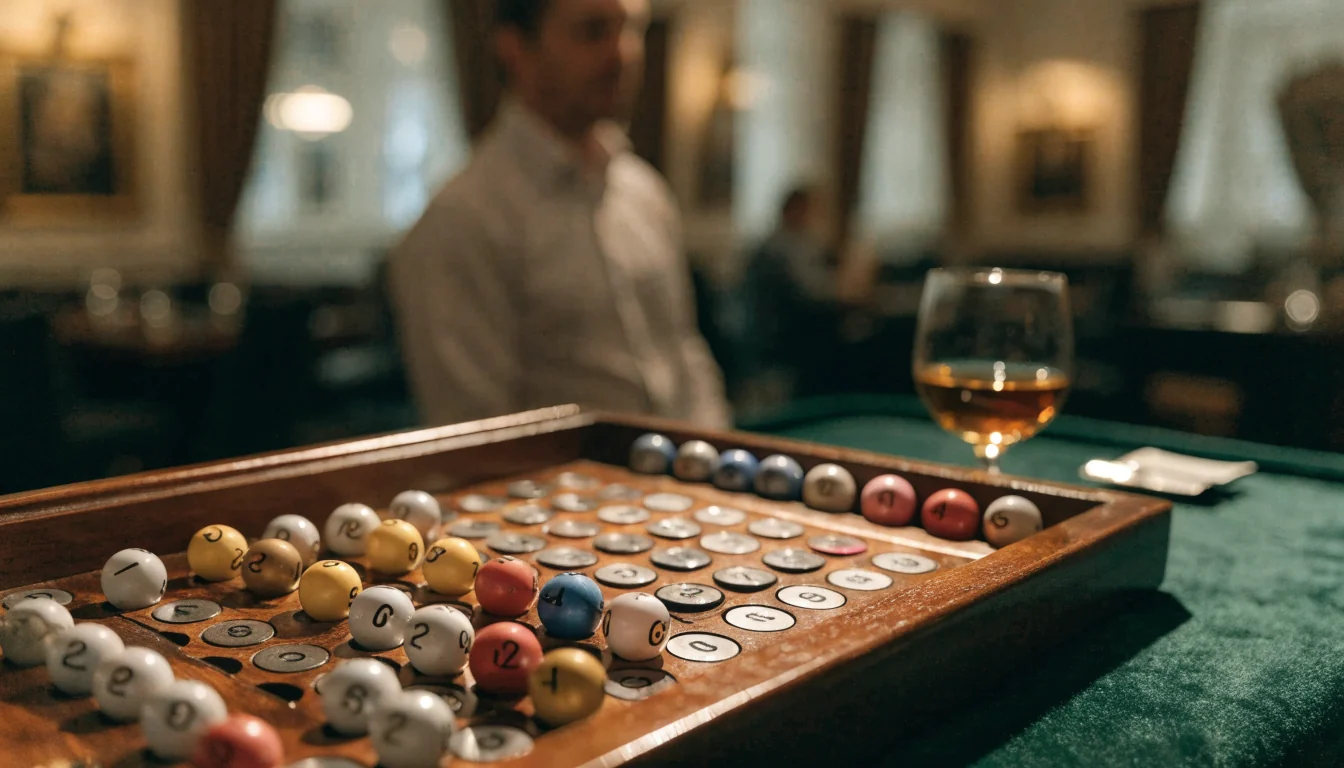
Low-volatility slots commonly use five reels and at least twenty-five paylines. A payline is a route across the reels on which a combination of symbols may qualify for a win. The paytable shows which combinations count and how the game treats them. Read its diagrams alongside the game rules, since the number of paylines does not explain the value or frequency of individual wins.
Check how any jackpot is defined. In this type of slot, jackpot amounts are typically fixed rather than drawn from a progressive pool that grows as play contributes to it. A fixed amount is specified by the game; a progressive pool changes as contributions accumulate. The rules or paytable should make clear which arrangement applies, so you can distinguish the jackpot structure from the bonus-buy feature.
The bonus-round description is another important component. These games commonly use multipliers applied to wins accumulated during the round. A multiplier changes the value of an eligible win according to the rules, but the game information should specify what it applies to and when. Do not assume that every symbol win, or every feature within the round, receives the same treatment.
When comparing bonus buy slot games, separate the game’s visible structure from the way you enter its bonus. Reels, paylines, jackpot format and multiplier rules describe different parts of the design. The buy bonus option concerns entry to a feature; it does not change what the paytable says about winning combinations or how the bonus rules calculate eligible wins.
Slot Features
- Reel layouts and paylines define the base game structure
- Fixed jackpots are specified by the game rather than a progressive pool
- Multipliers in bonus rounds apply to accumulated wins according to specific rules
- Bonus-buy options only change entry and not the underlying paytable
If the description is unclear, use the game’s help panel or paytable rather than inferring rules from the screen layout. The clearest reading comes from matching each displayed component to its explanation: reel and line diagrams for the base game, jackpot wording for the prize structure, and bonus rules for the treatment of accumulated wins.
Why a Bonus Buy Does Not Remove the House Edge
A bonus buy changes the route into a slot’s bonus round; it does not, by itself, change the game’s underlying mathematical advantage. If a game has a positive house edge, its expected result for the player is negative when considered across enough sessions. Buying access to a feature cannot turn that expectation positive simply because it skips the usual wait for the bonus.
Expected value describes an average across repeated play, not a prediction of what will happen in one session. A player may finish a short session ahead, or lose quickly. Neither result establishes that the game’s long-run expectation has changed. The same distinction applies when you buy a bonus: the feature may produce a different sequence of outcomes, but an individual result can vary around the game’s expected pattern.
This matters when considering whether you can buy a bonus on slots in the UK. The option concerns how you enter a round, not whether the slot has a house edge. A bonus round can feel separate from ordinary play because it has its own sequence and outcomes, yet it remains part of the same game. Treating it as a separate opportunity with a guaranteed advantage confuses a change in access with a change in expected return.
The pace of losses does not alter that conclusion. A game might return value through many small wins, or produce less frequent, larger payouts. Those patterns affect the experience of a session; they do not remove a positive house edge. Over enough play, a positive edge still means the mathematical expectation favours the house.

So the useful distinction is between when you enter a bonus and what the game is expected to return. A buyable feature can affect the first. It does not erase the second. If you assess a slot only by the possibility of reaching a bonus round, you leave out the factor that determines its long-run expected outcome. Buying the feature is not a method of changing that expectation; it is simply another way to take part in the game.
Checking Which Games Actually Offer a Buyable Bonus
A casino’s game catalogue cannot confirm that every slot includes a bonus-buy option. Check the specific game you have opened: the feature belongs to the game, and availability can differ from one title to another.
Start with the game’s information panel or rules. Look for an explicit reference to buying, purchasing or entering a bonus feature directly. If the rules describe only a bonus triggered during ordinary play, that does not establish that you can buy entry. A feature name or bonus-round description alone is not proof of a purchase option.
Then inspect the controls shown in the game itself. A buy option may appear as a separate control or become visible through a feature menu. Read its label and any accompanying explanation before selecting it. If you cannot find clear confirmation in the controls or rules, treat the feature as unconfirmed rather than assuming it is available because another slot from the same provider offers one.
This check also helps distinguish a buyable bonus from other game functions. A bonus round that starts after a qualifying event is not necessarily purchasable, and a general information button does not indicate that it is. Confirm that the game explicitly presents a way to buy entry.
The same method applies whether you are checking a particular slot or comparing casino games where you can buy a bonus. Verify each title separately, using its own rules and on-screen controls. Do not infer availability from a game’s name, artwork, provider, or the fact that the casino lists other bonus-buy slots. If the game’s information is unclear, the feature has not been verified.
Written by the editors at Fortune Casino.